

Early Transportation
Updated: February 24, 2026
Why Transportation Matters
Montana’s transportation story begins long before cars and highways and shows how each new way of traveling changed where people lived and how they did business.
Trails and Rivers: The First Routes
Long before states or towns existed, Native nations created trail networks across what is now Montana. They followed river valleys and mountain passes to hunt, trade, and visit other groups.
Fur traders and explorers later used many of these same routes, adding trading posts along rivers like the Missouri and Yellowstone.
In the mid-1800s, steamboats began traveling up the Missouri River from St. Louis to Fort Benton during high-water months, bringing supplies, miners, and settlers deep into the interior.
Fort Benton became a busy transportation hub, known as the “Head of Navigation” on the Missouri, until railroads arrived and took over most long-distance shipping.
Wagon Roads and Stagecoaches
As more people moved into the region, they needed routes that did not depend only on river levels. In 1859–1862, U.S. Army officer John Mullan led crews that built the Mullan Road, a wagon road from Fort Benton to Fort Walla Walla in present-day Washington.
The Mullan Road quickly became a main route to early gold camps in Idaho and Montana.
Other overland roads and trails, such as the Montana Trail from Utah and freight roads from Fort Benton to Helena and the mining camps, carried wagon trains, stagecoaches, and pack trains loaded with food, tools, and passengers.
Travel on these routes was slow, dusty, and sometimes dangerous because of storms, rough terrain, and the risk of accidents or conflict.
Steamboat Era on the Missouri and Yellowstone
During the 1860s and 1870s, steamboats and overland roads worked together to move people and freight. Steamboats carried goods up the Missouri River to Fort Benton and, at times, up the Yellowstone River, cutting weeks off the time it would have taken by wagon alone.
From those river landings, freight companies used large wagon trains pulled by oxen, mules, or horses to haul supplies to gold-rush towns like Bannack, Virginia City, and Helena.
Historians estimate that thousands of people and animals used these combined river-and-road routes each year during the mining boom.
Once railroads reached Montana in the 1880s, long-distance steamboat travel on the upper Missouri sharply declined and eventually ended.
Railroads Link Montana to the Nation
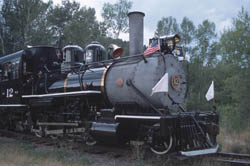
Railroads were the next big step and changed Montana more than any earlier form of transportation. In 1880, the first rails reached Montana Territory from the south, and by the mid-1880s the Northern Pacific Railway and the Great Northern Railway had main lines crossing the state east to west.
Branch lines spread out to mining towns, timber camps, and farming areas, bringing in machinery, coal, and manufactured goods and shipping out copper, grain, lumber, and livestock.
Many new towns grew up along the tracks, while isolated places off the rail network often stayed small. Railroads also made it easier for people from the Midwest and Europe to move to Montana homesteads and cities, speeding up settlement.
Roads, Cars, and Modern Travel
In the early 1900s, automobiles and trucks began to appear in Montana, but roads were often muddy, rutted, or blocked by snow. Over the 20th century, state and federal programs built and paved highways, bridges, and later interstate freeways.
Many of these modern roads follow paths first chosen by Native travelers, fur traders, steamboat landings, or rail corridors.
Today, most people in Montana travel by car, bus, or truck on highways that connect farms, towns, and cities to each other and to other states.
For sixth-grade students, this history shows how each new form of transportation — trails, steamboats, wagon roads, railroads, and highways — built on the ones before it and helped shape where Montanans live and how they connect with the rest of the country.