Lewis & Clark
Updated: March 2, 2026
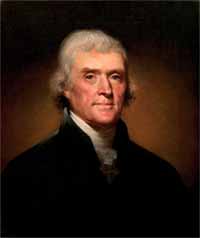
Thomas Jefferson's 1803 instructions to Meriwether Lewis laid out a detailed scientific and diplomatic mission, with a central goal of exploring the Missouri River and identifying any connected water route that might link the interior of North America to the Pacific Ocean for commerce. In June 1803, Jefferson's written orders explicitly charged Lewis to explore "the Missouri river, & such principal stream of it, as, by it's course & communication with the waters of the Pacific ocean - may offer the most direct & practicable water communication across this continent," while also mapping the land, studying plants, animals, and minerals, and building relationships with the Indigenous nations they would meet.
The Corps of Discovery formally departed near the confluence of the Missouri and Mississippi Rivers in May 1804 and returned to St. Louis on September 23, 1806, completing a journey of nearly 8,000 miles over two years, four months, and about ten days. Led by Captains Meriwether Lewis and William Clark, the party spent the first season traveling up the Missouri, wintered at Fort Mandan in present-day North Dakota, crossed the Continental Divide at Lemhi Pass in 1805, and reached the mouth of the Columbia River and the Pacific coast later that year. On their way west through the region that is now Montana, they entered the state in late April 1805 and followed the Missouri River upstream past future sites such as Great Falls and Helena to Three Forks, then continued along the Jefferson and Beaverhead Rivers toward the Rockies, reaching the Continental Divide on August 12, 1805. Their journals from this stretch describe major landmarks like Decision Point, the Great Falls of the Missouri, and the intricate river system that eventually led them to the headwaters of the Missouri.
On the return from the Pacific, the Corps left Fort Clatsop in March 1806 and passed back into present-day Montana in early July. After regrouping at Travelers' Rest near present-day Missoula, the leaders divided the expedition to explore more country: Lewis traveled northeast along the Blackfoot River and across Lewis and Clark Pass to the upper Sun River and back to the Missouri, while Clark retraced parts of their earlier route through the Bitterroot and Big Hole Valleys, then went down the Beaverhead and Jefferson Rivers before turning east through the Gallatin Valley to the Yellowstone River. Clark followed the Yellowstone downstream-stopping at features like Pompeys Pillar-until he rejoined Lewis on the Missouri later that summer, and together the Corps of Discovery continued downriver to St. Louis, where they arrived to public celebration on September 23, 1806. Today, historians generally agree that the expedition's combined route, including its extensive travel within what is now Montana, was crucial in mapping the northern Plains and Rocky Mountain West, documenting hundreds of new plant and animal species for American science, and shaping U.S. claims and policy toward these lands and their Indigenous nations in the decades that followed.