

There's Gold in Them Thar Hills: Techniques
Updated: February 5, 2026
Placer Mining: Gold at the Surface
The earliest miners in Montana practiced placer mining, which means looking for loose gold flakes or nuggets that water has already washed out of hard rock and left in streambeds or gravel bars.
Gold is very dense and heavy, so it sinks to the bottom when mixed with water and lighter sand and gravel. A miner might scoop a pan full of wet gravel from a creek, swirl the water to wash away lighter sand and rocks, and gently tip out the waste until, if he was lucky, tiny specks of yellow gold were left on the bottom of the pan.
Miners also used rocker boxes, sometimes called “rockers” or “cradles.” A rocker box looked a bit like a child’s cradle mounted on rockers, with a small sluice inside; the miner shoveled gravel into it, poured water over it, and rocked the box back and forth so that heavier gold settled behind riffles (small ridges) while lighter material washed away.
Rockers could handle more gravel than a simple pan, but they still required a lot of muscle and water to use effectively.
Sluices, Drifts, Hydraulics, and Dredges
As gold camps grew, miners needed faster ways to process more material. Sluice mining used long wooden boxes set on a slope, with riffles nailed to the bottom.
Several men shoveled gravel into the upper end while a steady flow of water washed it through; heavy gold settled behind the riffles, and lighter sand and stones washed out. This was much more efficient than panning or rocking by hand.
Other early methods went beyond the top few inches of stream gravel. Drift miners dug tunnels called drifts into deep layers of old river gravel buried under soil or lava, then hauled the material out in buckets or wheelbarrows to be washed in sluices.
Hydraulic miners aimed high-pressure water jets at hillsides or streambanks, blasting away tons of earth in a slurry that rushed through big sluices. Dredges were large floating machines that chewed up the bottom of creeks or valleys with buckets or suction hoses, ran the material over sluices inside the boat, and dumped piles of waste rock, called tailings, behind them.
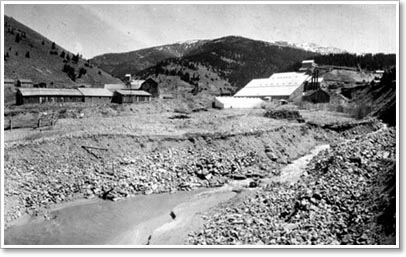
Today, scientists and historians agree that hydraulic mining and dredging were powerful but also very damaging. They caused heavy erosion, buried streams in mud and gravel, and left long rows of tailings that are still visible along some Montana waterways.
From Pay Dirt to Hard-Rock Ore
Early placer techniques were quite inefficient; tailings from panning, rockers, and simple sluices often still held gold that the miners’ tools could not catch. Placer miners usually focused only on visible gold or silver, and many did not have the skills or money to process low-grade material.
Within about twenty years of the first big strikes in the 1860s, most easy surface deposits in major gulches like Alder Gulch and Last Chance Gulch were worked out, and you could no longer just arrive, poke around, and expect to find a fortune.
As miners followed streams uphill to find where the gold came from, they discovered that it often lay locked inside veins of hard rock called ore.
A rich vein of ore was called a lode, and a very large, rich vein that fed many smaller placer deposits downstream could be called a “mother lode.” This shift from free gold in gravel to gold trapped in rock led to quartz mining, or hard-rock mining, which was more complicated and expensive than placer mining.
Quartz Mining: Deep Shafts and Stamp Mills
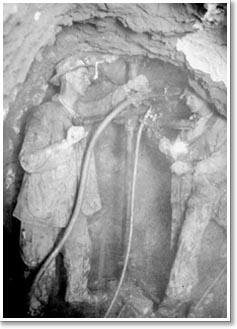
Unlike placer mining, quartz mining required teams of workers, heavy machinery, and lots of money. Miners blasted and dug deep shafts into hillsides and mountains to follow ore veins underground.
These tunnels could cave in, flood, or fill with bad air, so they were dangerous places to work. Loggers cut timber for mine supports, and hoists, carts, and rail tracks were built to haul ore to the surface.
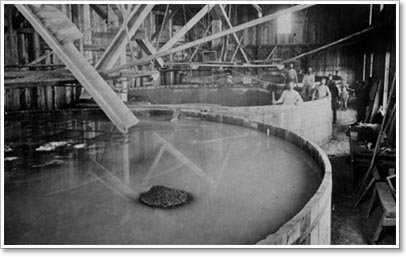
At the surface, ore was crushed in stamp mills — large machines that dropped heavy iron stamps again and again to break rock into small pieces. Crushed ore then went through washing and chemical processes, such as using mercury and later cyanide solutions, to separate precious metals from waste rock.
Today, scientists know that these chemicals and tailings can pollute soil and water if not handled carefully, and some historic mine sites in Montana have needed cleanup because of acid mine drainage and metal contamination.
More Than Gold: Silver, Copper, and Electricity
As miners processed hard-rock ore, they found that gold often occurred with other metals including silver, copper, zinc, and lead. At first, some considered these extra metals a nuisance because they made it harder to separate gold.
Over time, however, people realized these metals were valuable, too. Silver could be sold for coins and other uses, and copper became extremely important as electric lights and telephones spread and cities needed miles of copper wire.
The Silver Bow Creek Valley and the town of Butte grew from a small placer camp into one of the world’s great copper mining districts. By the late 1800s and early 1900s, Butte’s underground mines and mills produced huge amounts of copper, silver, and other metals, supporting thousands of jobs.
This mining boom helped build Montana’s economy but also left behind large tailings piles and open pits that later required major environmental cleanup.
What Science and Archaeology Add Today
Modern historians, archaeologists, and geologists study old mine sites, equipment, and records to understand how mining technology changed over time and how it affected people and the environment.
Archaeologists have documented the remains of placer camps, stamp mills, and gold dredges to learn about miners’ daily lives, work patterns, and the final stages of placer mining. Geologists map ore bodies and ancient river channels to explain why gold and other metals formed where they did and how glaciers and streams later moved placer gold into gulches.
Scientists and engineers now design modern mines with lined tailings ponds, water-treatment systems, and reclamation plans that aim to reduce long-term damage compared with 19th-century methods.
In Montana today, state and federal agencies, tribes, companies, and local communities work together on projects to clean up old mine tailings, restore streams, and replant vegetation in watersheds that were affected by historic mining.