

Why Chinese Immigrants Came to Montana
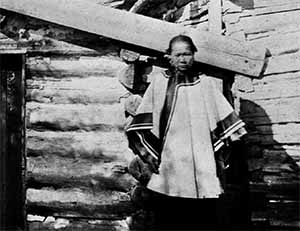
Gold discoveries in the Rocky Mountains drew people from all over the world to places like Virginia City. Many of the Chinese immigrants who reached Montana in the 1860s and 1870s came from the Kwangtung (Guangdong) Province in southern China, the same region that includes modern-day Hong Kong.
In China, poverty, wars, and political troubles pushed many people to leave. The United States, which they called "Gum San" or "Gold Mountain," seemed to offer better opportunities and higher wages.
At first, many Chinese miners worked in California, but as those gold fields declined, they followed new strikes inland to places like Colorado, Idaho, and eventually Montana.
Life and Work in Virginia City
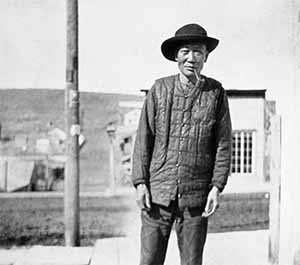
Most Chinese immigrants were young men who came without their families, planning to earn money and send some of it back home. The 1870 census counted 1,949 Chinese people in Montana-almost ten percent of the territory's population-and only 123 of them were women.
In Virginia City itself, historians estimate that around 300 of the roughly 867 residents in 1870 were Chinese, meaning about one out of every three people in town was Chinese.
Chinese workers did many kinds of jobs. They reworked abandoned placer gold claims, ran stores like Chung Own's Chinese merchandise shop, operated laundries and restaurants, and took on heavy labor such as road work and, in other parts of the West, railroad construction.
Because new and "good" mining claims were often kept for white miners, Chinese miners in Virginia City usually bought or leased ground that had already been worked. By carefully washing and sorting the old gravels as a team, they recovered gold that others had missed and together sent large amounts of wealth back to China.
Photograph Archives. Material may be protected by
copyright law (Title 17 U.S. Code)
Chinatown and the Joss House
Chinese residents in Virginia City built a Chinatown at the lower (east) end of Wallace Street, in its own compact neighborhood. Photographs from the late 1800s show Chinese storefronts there, including Chung Own's store with Chinese and English signs.
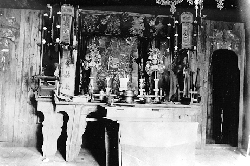
At the entrance to Chinatown stood a two-story building often called the Joss House, which served as both a temple and a meeting place for the community. Like other Chinese temples in the American West, it was likely paid for and maintained through donations from community members and served as a place for worship, celebrations, and lodging for travelers.
Many Chinese men in Virginia City also belonged to organizations such as the Chinese Six Companies or Chinese Masonic Lodge-type societies, which helped protect members and support them when they were sick, out of work, or in trouble. These groups created rules of behavior such as "Do not occupy by force the property of your brethren" and "Do not deceive your brethren," which helped keep order and prevent fights inside the community.
The original Joss House building was torn down in the 20th century when the highway was realigned, but a rebuilt Chinese temple in nearby Nevada City now honors these early immigrants. Archaeologists have tested the ground near the original site; highway construction disturbed much of the area, so they mainly found the old wooden boardwalk rather than clear Chinese artifacts, showing how development can erase physical traces of the past.
Facing Discrimination and Exclusion
Even as Chinese miners and merchants helped the local economy, they faced strong prejudice. Newspapers from the time reported beatings, harassment, and efforts to push Chinese people out of certain jobs and neighborhoods.
Territorial and local laws sometimes charged special taxes on Chinese workers, tried to keep them from owning mining claims, or limited the kinds of businesses they could run. Across the United States, national laws also made life harder.
The Chinese Exclusion Act of 1882 blocked most new Chinese workers from entering the country and made it difficult for those already here to bring wives and children or to become citizens. Because of these pressures, and because mining shifted from surface placer work to deep underground "lode" mining that was usually done by European immigrants, the number of Chinese people in Montana dropped sharply after the 1870s.
By the early 1900s, only a handful of Chinese residents remained in Virginia City, and its Chinatown gradually disappeared from view. Historic photos, census records, and a few surviving buildings and artifacts are now key evidence that this once-large community existed.
What Historians and Archaeologists Are Learning Today
Today, historians and archaeologists use many kinds of evidence-old maps, census lists, business records, photographs, and excavated artifacts-to better understand the experiences of Chinese immigrants in Montana. Their work shows that Chinese Montanans were not just miners, but also merchants, cooks, herbalists, and community leaders who adapted Chinese traditions to life in the American West.
Projects across the region, such as studies of Chinese temples and Chinatowns in Montana and neighboring states, help explain how joss houses worked as religious, social, and support centers for mostly single men far from home.
At Virginia City and Nevada City, rebuilt Chinese buildings, museum exhibits, and educational programs now help visitors see that the story of Montana's gold rush includes Chinese immigrants as an essential part, not just as a footnote.