

Sunflowers
Updated: February 22, 2026
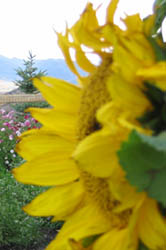
Reading level: 5th grade Sunflowers are bright yellow flowers that grow from a single, tall stem and turn their heads to follow the sun during the day. Farmers grow sunflowers for their seeds, which can be pressed for oil or eaten as a crunchy snack. Some sunflower seeds are also used in birdseed mixes and animal feed. Oil-type sunflowers are grown mainly for cooking oil and for ingredients in foods such as margarine and salad dressings. Non-oil, or "confectionery," sunflowers produce larger seeds that people eat as snacks or use in baking, and that are also sold as birdseed. Both types need good soil, enough water, and plenty of sunshine to produce big, healthy heads full of seeds. Sunflower production in Montana is very limited compared to major sunflower states like North Dakota, South Dakota, Kansas, and Colorado. A Montana crop profile notes that even in earlier years, sunflower acres in the state rarely went above about 8,000 acres, and some years had only around 1,500 acres planted. In recent national sunflower summaries, Montana is not listed among the leading sunflower-producing states, which shows that only a small part of U.S. sunflower production comes from Montana today. Sunflowers in Montana are usually planted from early May to mid-June, once the soil has warmed up. The plants grow through the summer and are usually ready to harvest in late September or early October, about 120 days after planting. Farmers choose well-drained fields and use crop rotation practices to reduce insects and disease problems in their sunflower fields. These links provide background information and data for adults who want to learn more about sunflowers and Montana agriculture:Sunflower Production in Montana
Sunflowers in Montana
How Sunflowers Are Used
Sunflower Production in Montana
How and When Sunflowers Grow in Montana
Sources for Teachers
https://www.nass.usda.gov/Publications/Todays_Reports/reports/cropan25.pdf
2024 Acreage:
https://www.nass.usda.gov/Publications/Todays_Reports/reports/acrg0624.pdf
2025 Acreage:
https://release.nass.usda.gov/reports/acrg0625.pdf
https://www.nass.usda.gov/Statistics_by_Subject/result.php?sector=CROPS&group=FIELD%20CROPS&comm=SUNFLOWER
https://ampc.montana.edu/documents/policypaper/policy19.pdf
https://ipmdata.ipmcenters.org/documents/cropprofiles/Mtsunflower.pdf
2024 crop quality report:
https://www.sunflowernsa.com/uploads/38/2024sunflowercropqualityreport.pdf
Article on USDA updating 2024 sunflower numbers:
https://www.sunflowernsa.com/magazine/articles/default.aspx?ArticleID=4144
Visit montanakids.com's Activities and Games section for more Montana recipes.