

Montana Honey Production: 2026 Update
Updated: February 23, 2026
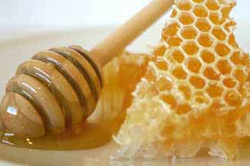
Although it varies from year to year, 'Montana consistently ranks among the top 10 honey-producing states in the United States'. In recent years, Montana has typically placed between '6th and 8th nationally', thanks to its vast forage lands and strong beekeeping industry.
According to the 'USDA's 2025 Honey Report', Montana produced approximately '11.2 million pounds of honey in 2025', showing a rebound from the previous year's 9.8 million pounds. This is still below the historic highs of the early 2000s, when production occasionally exceeded 13 million pounds, but it reflects a stable and healthy industry. The average price per pound of honey in Montana was about '\$2.25', slightly above the national average due to demand for raw and specialty honey.
Much of this honey is sold plain, but 'flavored honey varieties'—infused with berries, herbs, or even spices—are becoming increasingly popular among consumers seeking unique culinary experiences.
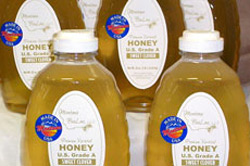
Beyond Honey: Beeswax and Other Products
In addition to honey, Montana's bees produce 'beeswax', which remains a valuable byproduct. Beeswax is widely used in 'candles, lip balms, and natural skincare products', and demand for these items has grown alongside the trend toward sustainable and organic goods.
How Honey Is Made
Honey production begins when bees collect nectar from flowers. They add a special enzyme to the nectar and work to evaporate water from it. Once most of the water is gone, the honey is stored in individual cells and capped with wax to preserve it.
The Role of Pollen
While gathering nectar, worker bees also collect pollen. As they crawl through flowers, pollen sticks to their bodies and is packed into the '"pollen basket"'-a hairy region on their hind legs. This pollen is essential for feeding larvae and maintaining hive health.